Why Visual Content Is Becoming the Biggest Bottleneck for Modern Brands
Tutorials & Tips
3 Min Read
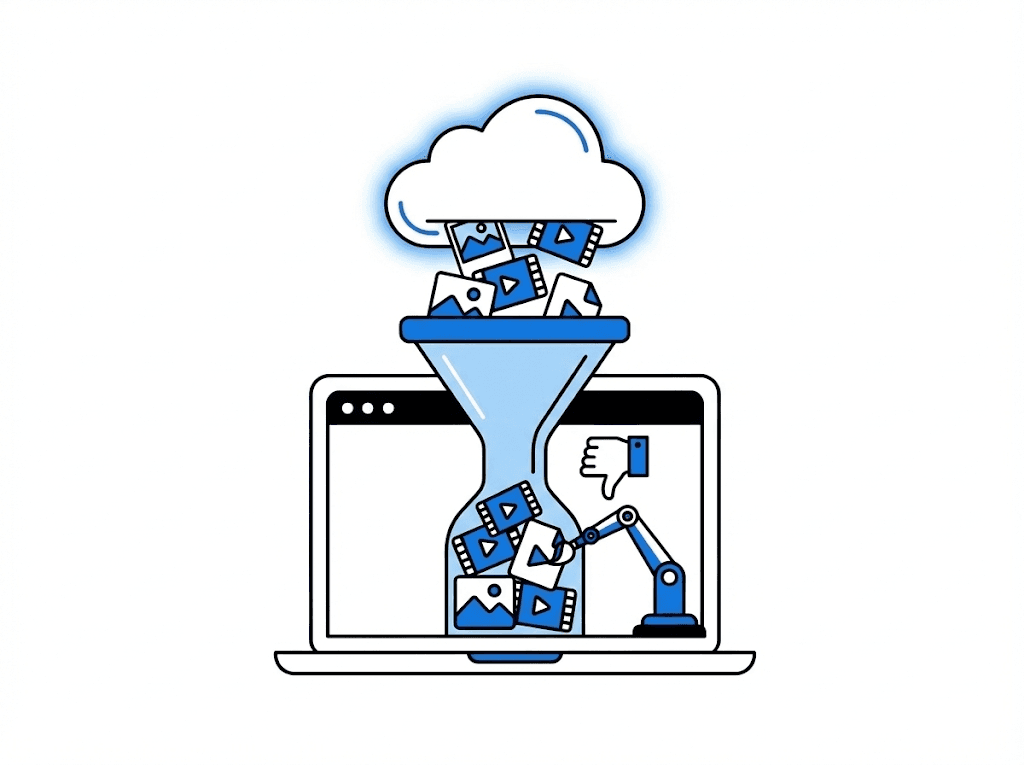
For a long time, marketing teams believed that ads fail because of targeting, copy, or budget. But if you look closely at today’s fastest growing brands, a different pattern appears.
Most campaigns don’t fail because the message is wrong.
They fail because the visuals cannot keep up.
In 2025, almost every brand needs more content than ever before. Not better content once a month, but fresh, high quality visuals every single week. And this is where things start to break.
The Real Problem: Visual Demand Has Exploded
Think about where brands are publishing today:
Instagram posts and stories
TikTok videos and thumbnails
Paid ads on Meta and TikTok
Website hero sections
Product pages
Email campaigns
Marketplaces and social commerce platforms
Each channel needs a slightly different visual.
Each campaign needs variations.
Each test needs multiple creatives.
Traditional content creation was never built for this pace.
Photo shoots take time.
Design teams get overwhelmed.
Budgets disappear fast.
So brands compromise. They reuse the same images everywhere. And performance suffers.
Why “Good Enough” Visuals No Longer Work
Audiences have changed.
People scroll fast. They compare instantly. They expect polish.
A product image that looks acceptable on a website might completely fail on TikTok. A lifestyle shot that works on Instagram might feel static in an ad.
Today, visuals are not decoration.
They are the core of performance marketing.
If a creative does not stop the scroll in the first second, nothing else matters.
How AI Changes the Creative Workflow
This is where AI creative tools quietly started to reshape the industry.
AI does not replace photographers or designers. What it replaces is friction.
Instead of planning shoots, waiting for edits, or limiting creativity to what was captured once, teams can now:
Generate new scenes instantly
Create variations for A/B testing
Adapt visuals to different platforms
Refresh campaigns without restarting from zero
The biggest shift is speed.
What used to take days now takes minutes.
Where Adject Fits In
Adject was built for this exact problem.
It is not just an image generator. It is a creative layer between the product and the channel where it will be advertised.
You upload a product once.
Adject helps you turn it into:
Clean studio visuals
Lifestyle scenes
On model images
Ad ready creatives
Multiple variations for testing
All without needing a photo shoot, a model, or a full design team.
This is especially powerful for:
DTC brands scaling ads
Marketing teams running weekly campaigns
Agencies managing multiple clients
Creators selling products or merch
Startups launching fast
Why This Matters Beyond E Commerce
The shift toward AI driven visuals is not just about online stores.
We are entering a phase where content velocity is a competitive advantage.
Brands that can:
Create faster
Test more
Adapt visuals quickly
Keep their feeds fresh
will outperform brands that rely on slow, manual processes.
Adject enables that flexibility without sacrificing quality.
From Campaigns to Systems
The most interesting change I see is this:
Brands are no longer thinking in campaigns.
They are thinking in systems.
Instead of “let’s shoot photos for this launch,” they ask:
“How do we create a system that produces visuals continuously?”
AI creative platforms like Adject are the foundation of those systems.
Final Thoughts
The future of visual marketing is not about replacing creativity.
It is about unlocking it.
When teams are no longer blocked by logistics, budgets, or time, they experiment more. They test more. They learn faster.
Adject exists in that space between imagination and execution.
And as more brands move toward high velocity, multi channel marketing, tools that simplify and accelerate visual creation will stop being optional. They will become essential.
Join our newsletter list
Sign up to get the most recent blog articles in your email every week.
Similar Topic