AI vs Traditional Product Photography: Which One Is Better for Small Businesses in 2025?
Tutorials & Tips
6 Min Read
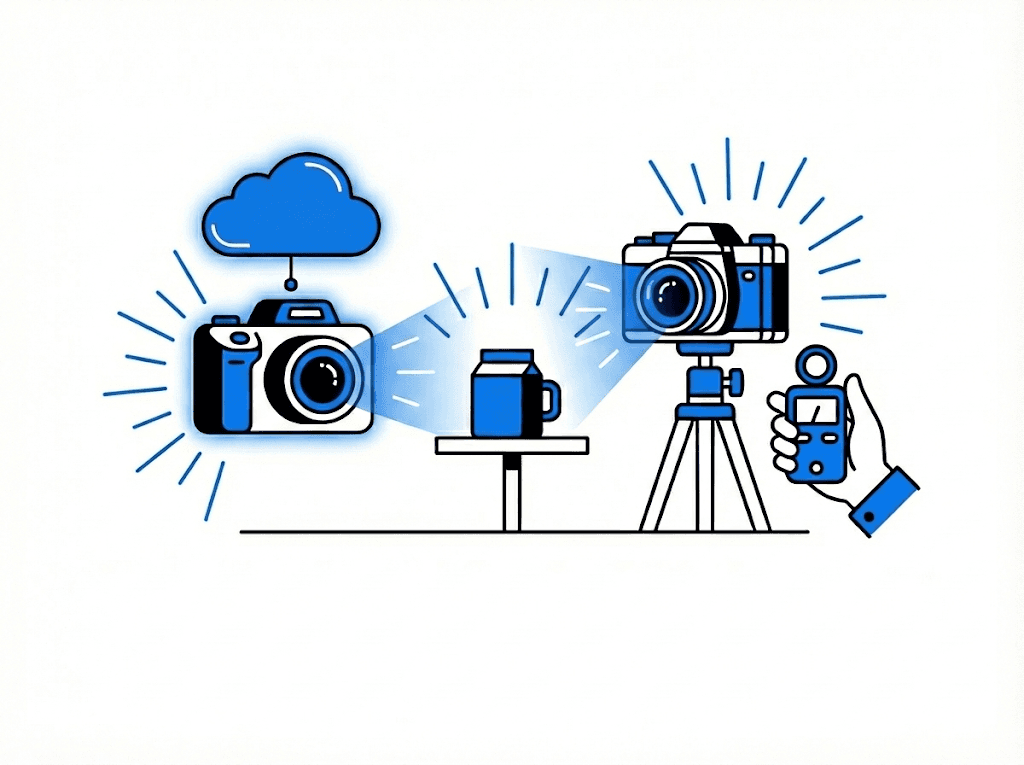
If you run a small business, especially on Etsy, Shopify, or any e commerce platform, you already know how important product photos are. Good visuals make your shop look professional, help customers trust your product, and directly affect conversion rates.
For years, the only way to get high quality product photos was traditional photography. A camera, a studio setup, a photographer, props, lighting, editing, and usually a lot of frustration.
But in 2025, AI product photography changed the game for small sellers. Suddenly, professional looking images were no longer something only big brands could afford. We now have tools that can generate clean, realistic, beautiful product photos in seconds.
The question many sellers ask is simple:
Which one is better — AI or traditional photography?
Here is a breakdown based on what I have seen, tested, and learned.
Traditional Product Photography: What It Does Well
Traditional photography has been around forever, and there is a reason for that. It delivers consistent, high quality images when done right.
Here are the situations where traditional photography still shines:
1. Full creative control
You choose the lighting, angles, props, styling, and mood. When you have a professional photographer, you can achieve very specific artistic results.
2. Perfect for complex or reflective items
Some items, like glass or metal, can be tricky for any automated system. A skilled photographer knows how to light and angle them.
3. Real shadows and physical realism
Sometimes natural shadows, textures, and reflections can only be captured with a real camera and light source.
4. Great for large catalogs if you have a studio
If a brand has an in house setup and can shoot anytime, traditional photography becomes cost effective over time.
These are the strengths. But there are also limitations — and small businesses feel these the most.
The Challenge With Traditional Photography
Here’s the part most small sellers struggle with:
Photoshoots are expensive
Lighting equipment is costly
You need props, backdrops, or a styled environment
Scheduling takes time
Editing takes even more time
You often need to redo everything when you launch new products
Even a simple shoot for a small Etsy shop can cost hundreds of dollars, and repeating that for multiple products becomes unrealistic.
This is exactly where AI product photography steps in.
AI Product Photography: Why Small Businesses Love It
AI product photography works differently. You upload a single photo — even a phone photo — and AI generates polished versions in different styles.
What surprised me the most
It does not try to replace your product. It keeps the shape, color, and details accurate while placing the item into clean, professional scenes.
Here is why many small sellers prefer AI:
1. It is extremely fast
You can create entire sets of photos in minutes instead of days.
2. It is affordable
You don’t need a photographer, camera, lights, props, or editing software.
3. Unlimited creativity
Studio look, lifestyle scenes, seasonal themes, flat lays, on model photos — all from one image.
4. Easy to stay consistent
Your catalog looks unified even if your original photos were taken at different times.
5. Great for testing
You can create different versions of the same product photo and see what performs better.
For small businesses trying to improve their listings without spending too much, AI has become a practical alternative.
Real Life Example: What Happened When I Switched
When I tried AI generated product photos for the first time, I didn’t have high expectations. I assumed it would look fake or unrealistic. But I ended up creating lifestyle shots and clean backgrounds that matched my brand aesthetic way better than what I had before.
Customers spent more time on my listings, and I received more favorites.
It wasn’t magic. It was simply better visuals.
This is the moment I realized AI photography isn’t here to replace creativity — it is here to make product photography easier for small business owners like us.
So Which One Is Better?
The truth is, there is no single answer.
It depends on your business stage and your goals.
Choose traditional photography if:
You need ultra specific artistic shots
You sell luxury products that require premium lighting
You have the budget for repeated photoshoots
You need extremely precise color accuracy
Choose AI product photography if:
You want fast, clean, professional images
You sell on Etsy, Shopify, Amazon, TikTok Shop
You do not have time or budget for studios
You want lifestyle and model photos without hiring anyone
You want consistent visuals for your brand
You want to test multiple styles quickly
Most small businesses I know, including myself, use both.
Traditional for a few key hero shots.
AI for the rest of the visuals that need flexibility or frequent updates.
Where Adject Fits In
Adject focuses on making AI product photography simple and realistic for everyday sellers. It keeps your product accurate, offers ready made scenes, and generates on model photos that look natural.
You upload.
You choose a style.
You get clean, professional visuals.
No equipment. No stress.
For small businesses that want to compete visually without spending money on photoshoots, tools like Adject fill a huge gap.
Final Thoughts
In 2025, small businesses finally have a choice.
You can mix traditional photography with AI generated visuals to create a workflow that fits your budget and your brand.
The important thing is simple:
Your photos should help customers trust your product.
Whether you shoot them yourself or create them with AI, better visuals lead to better conversions, stronger branding, and more confident shoppers.
If you want to save time, reduce costs, and still look professional, AI product photography is one of the easiest ways to upgrade your shop.
Join our newsletter list
Sign up to get the most recent blog articles in your email every week.
Similar Topic