Gucci’s AI Moment Wasn’t a “Tech Mistake.” It Was a Luxury Stress Test.
Tutorials & Tips
3 Min Read
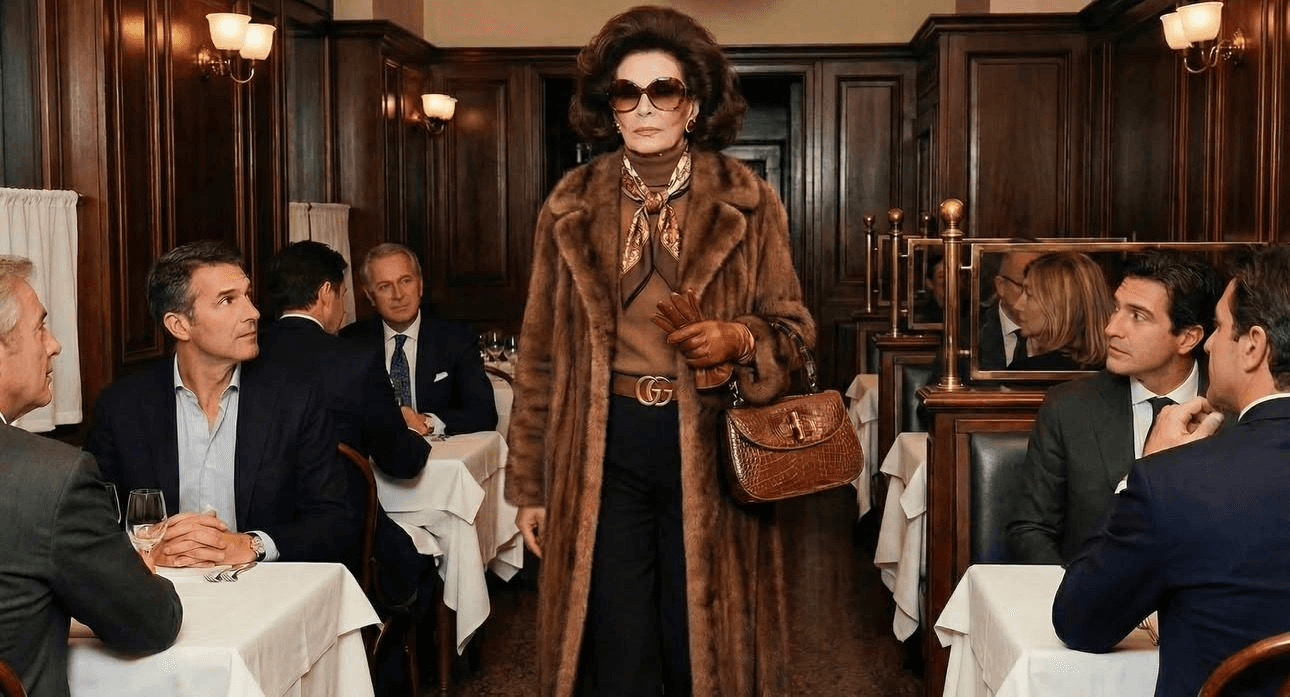
Gucci didn’t accidentally stumble into an AI controversy. It walked into it openly.
In the days leading up to Demna’s runway debut for the house, Gucci posted a set of promotional visuals labeled “Created with AI,” mixing glossy, surreal scenes with a few more traditional images. Within hours, the comments turned into a public referendum on what luxury is supposed to mean. People called the work “tacky,” “cheap,” and most brutally “AI slop.”
If you’re writing this off as internet noise, you’re missing what’s actually interesting here.
This wasn’t just backlash against AI. It was backlash against misalignment between a luxury brand’s value proposition (craft, taste, intention) and what the audience felt they were being served (generic, game-like, mass-produced vibes). And that gap is exactly where brands win or lose in the AI era.
What people actually reacted to (and why it escalated so fast)
From the reporting and the examples circulating, the creative choices were intentionally loud: a glamorous “Milanese sciura” type in a restaurant, sleek car scenes, and visuals that some viewers compared to Grand Theft Auto characters or a “Vice City” aesthetic.
Here’s the thing: none of those concepts are inherently “anti-luxury.” Luxury has always flirted with artifice editorials, fantasy, provocation, visual worldbuilding. Gucci itself built entire eras on maximalism and cultural spectacle.
So why did this hit a nerve?
Because for luxury audiences, the product isn’t only the bag. It’s the proof of care. It’s the sense that someone obsessed over details. Business Insider quotes Matthew Drinkwater (Fashion Innovation Agency, London College of Fashion) arguing that luxury is rooted in “craft, heritage and human storytelling,” and that if AI reads like it’s replacing craft, it can undercut aspiration.
The “AI slop” label is basically shorthand for: This looks like it came from a pipeline optimized for output, not taste.
And luxury consumers are allergic to anything that feels like a shortcut.
Why Gucci did it anyway: Demna, the reset, and the need for attention
Zoom out and Gucci’s move starts to look less random and more like a deliberate positioning play.
Gucci’s parent company Kering has been pushing for a turnaround, and Reuters frames Demna’s debut as part of a “creative reset” intended to revive the flagship brand. At the same time, Business Insider notes Gucci’s revenue decline (down 22% in 2025) and points out that the brand has been actively trying to get “back at the center of attention,” including recent digital activations like a Snapchat AI lens.
So the AI campaign functions like a flare: Gucci is back in the conversation. And in 2026, conversation is currency.
But luxury marketing has a unique constraint: attention only helps if it builds desire, not skepticism.
The real question isn’t “Should luxury use AI?”
Luxury will use AI. It already is.
The real question is: Where does AI sit in the luxury value chain without damaging what people are paying for?
There’s a clean way to frame this:
If AI is used as ideation, concepting, worldbuilding, pre-visualization, it can expand creative range.
If AI is used where the audience expects human taste and high-touch execution especially in hero assets it risks triggering the “mass-produced” alarm.
Fast Company’s read of the situation hints at this tension: many of the scenes Gucci generated could have been created through traditional production, which made people ask why AI here?
That “why” matters. In luxury, the process is part of the story.
Demna’s debut context makes this even more editorially interesting
Reuters reports Demna described his intent for Gucci as “lighter, softer… more emotional,” and not overly intellectual.
AP coverage of the debut show paints a picture of a deliberate Gucci rebalancing—sensual, practical, and anchored in heritage references (Uffizi, Tom Ford echoes, recognizable archetypes).
So here’s the provocative read:
Gucci’s AI visuals weren’t meant to be “beautiful photography.” They were meant to be friction a cultural spark ahead of a debut moment. And friction is very on-brand for Demna-era fashion storytelling.
The risk is that the spark doesn’t just ignite curiosity it ignites distrust.
What Gucci’s moment teaches brands building with AI (and this is where Adject fits)
If you’re building an AI creative studio like Adject, you don’t want the takeaway to be “AI is bad.” You want the takeaway to be:
AI without brand discipline produces interchangeable aesthetics. AI with brand discipline produces scale without dilution.
Gucci’s backlash is basically a case study in what happens when the audience feels the “brand codes” weren’t protected hard enough.
In practice, that means AI creative needs guardrails not just prompts.
Below is a fashion-editorial version of the playbook Adject is implicitly selling (without turning this into an ad)
The Luxury-Grade AI Playbook: 7 Rules to Avoid the “AI Slop” Label
1) Protect the brand codes before you generate anything
Luxury brands have a visual DNA: silhouette language, lighting preferences, composition rhythm, texture realism, even how “expensive” negative space feels.
AI outputs drift unless you anchor them with:
a consistent aesthetic guide (moodboard + constraints)
reference-based prompting
a “do not generate” list (cheap cues, uncanny skin, plastic textures, generic typography)
This is exactly why Adject’s direction (templates + brand tool logic) matters: the brand should be a system, not a vibe.
2) Use AI where it’s strongest: concept volume + world exploration
AI is amazing at:
generating 30 campaign worlds in a day
testing variations for composition and mood
exploring surreal story directions fast
That’s where it belongs upstream so human taste can curate.
3) Keep human taste visible in the final mile
Luxury audiences don’t only buy output; they buy intent. If the final hero assets look like they bypassed human craft, you lose the point of luxury.
Your pipeline should bake in:
art direction review
retouch/post-production standards
material realism checks (leather grain, stitching logic, reflections)
4) Make disclosure feel premium, not defensive
Gucci labeled images “Created with AI,” and the label became part of the discourse.
Disclosure is good but presentation matters:
how you disclose
where you place it
whether you explain the intent (“AI-assisted concepting” vs “AI-generated campaign”)
Luxury consumers accept experimentation more when it’s framed as craft expansion, not cost cutting.
5) Don’t use “AI aesthetics” unless it’s the point—and you can own it
Game-like visuals can be a deliberate stylistic reference. But if you don’t commit, it reads accidental.
If you want digital nostalgia, make it unmistakably intentional:
tie it to archival codes
tie it to a cultural narrative
make the product styling impeccable
Otherwise the audience will assume the worst: generic generator output.
6) Treat the comments as your fastest focus group
Business Insider quotes Drinkwater calling Instagram comments “the most honest focus group in fashion.”
That’s not a cute line it’s operational advice:
monitor sentiment fast
learn which cues trigger “cheap”
adjust your brand constraints in real time
7) Scale should never look like sameness
The biggest fear in fashion right now isn’t “AI replaces creativity.”
It’s “AI makes everything look the same.”
Adject’s opportunity is to make scale feel like more identity, not less:
repeatable brand-grade lighting and texture
controlled composition templates
consistent styling rules across hundreds of assets
That’s how you get volume without dilution.
So… did Gucci fail?
Not necessarily.
Gucci succeeded at one thing: getting the world to look.
But luxury doesn’t win on attention alone it wins on desire.
And desire is fragile when the audience feels the brand is taking shortcuts.
The clean editorial conclusion is this:
AI isn’t the enemy of luxury.
Generic execution is.
If luxury brands (and AI creative platforms like Adject) can make AI outputs feel as intentional, crafted, and brand-specific as traditional work, then AI becomes what it should have been all along:
Not a replacement for creativity but a multiplier for it.
Join our newsletter list
Sign up to get the most recent blog articles in your email every week.
Similar Topic